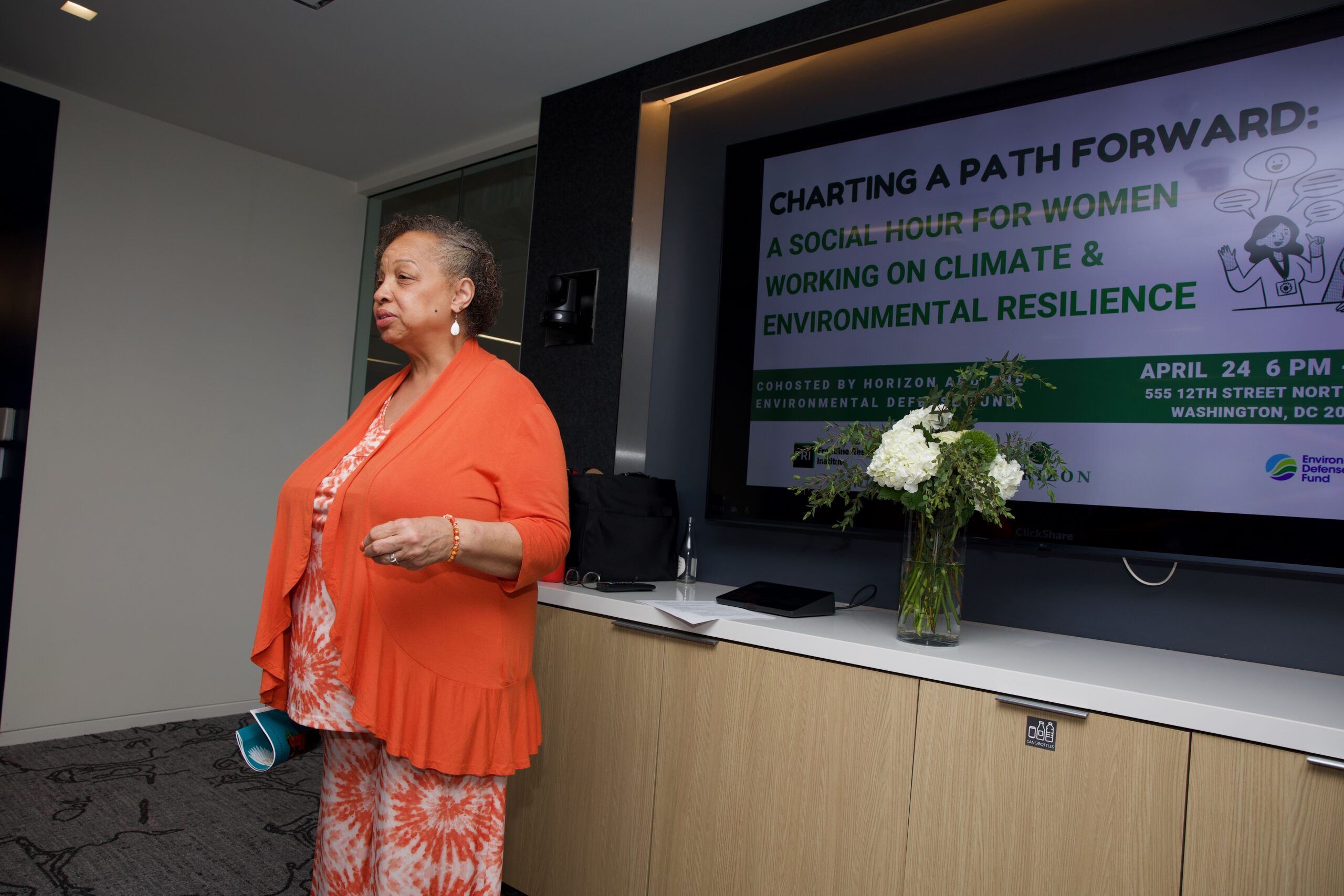

Photo Credit: Felix Masi
This issue of Frontline Momentum explores the power of community science and collective action to make equitable changes. It features highlights from FRI’s focus on supporting communities to own and control their own stories; Environmental Defense Fund’s Dr. Grace Tee Lewis on sharing data for community impact; energy justice insights from DC Climate Week 2026; and a resource to support community-led science.
A Letter from FRI’s Acting Director, Dr. Margot Brown
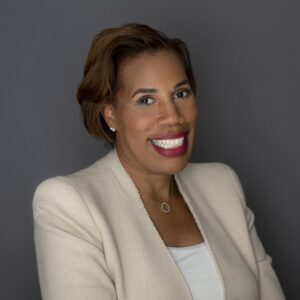 At Frontline Resource Institute, we describe movement building as the intersection of storytelling, data, and resources. While these may seem like separate elements, at FRI we know that they are deeply connected. Time and again, I have watched communities turn lived experience into stories that move people, gather data to validate their experiences, and build relationships — our most important resource — that help sustain them through challenges.
Over the past two years, FRI has invested in helping frontline leaders tell their own stories. This work is deeply personal to me because frontline communities are too often viewed through someone else’s lens. People living with environmental and climate injustice are frequently treated as subjects rather than experts, even though no one understands the realities of these injustices better than they do. When communities have the tools and platforms to tell their own stories, they do more than raise awareness — they shape narratives, influence decision-makers, and build power.
I first learned the importance of connecting lived experience with evidence as a graduate student working in Louisiana’s Cancer Alley. Long before studies confirmed elevated health risks, Cancer Alley residents were telling us what they were seeing and experiencing. They did not need data to know something was wrong. As research later confirmed their concerns, I learned that the most powerful science begins with listening. When scientists and communities work together, citizen science becomes more than a research tool—it becomes a pathway to accountability and justice.
“Your network is worth more than your net worth.” – Dr. Calvin Mackie
Resources matter, too, especially the people who show up for one another. Earlier this year, FRI partnered with HORIZON and Environmental Defense Fund to host Charting a Path Forward during DC Climate Week. What stayed with me was not a keynote speaker or a major announcement. It was people coming together to speak honestly, listen deeply, and remind one another that none of us carries this work alone. At the end of the evening, one participant said, “I didn’t even realize how much I needed this community until tonight.” I have since carried that sentiment with me because human connection is not a bonus resource; it is the most important resource we have. It sustains us when progress feels slow, challenges feel overwhelming, and we need to remember why we began this work in the first place.
The stories in this issue reflect every part of FRI’s movement-building formula. They highlight the power of communities telling their own stories, generating data that drives action, and building networks of support that make lasting changes possible. Most importantly, they remind us that movements are about people: – people willing to share their experiences, stand in solidarity with one another, and use our collective power to build a more just future together.
FRI Out Front: Supporting Communities to Drive Results through Storytelling
In fall 2025, six frontline organizations from climate vulnerable communities across the United States received a $50,000 grant and technical assistance through FRI’s Narrative Sovereignty and Story Justice Project. In partnership with the Climate Research + Engagement team at the Museum of Life and Science in Durham, North Carolina, the grantees acquired tools and strategies to document, share, and preserve their stories on their own terms. The cohort met monthly to learn about and acquire skills across a range of topics, from how best to archive stories to how to write an effective headline. They also built a community for shared learning — an important focus area for the grantees.
“The grantees overcame so many challenges and still created such beautiful work. I saw them all push themselves in their storytelling from beginning to end. We learned so much from them and are grateful for the opportunity to support their work over the past year.“ – Ashton Merck, Museum of Life and Science
In June, we concluded the project with an intimate convening where grantees reflected on their experience and offered key insights. Grantees shared the storytelling projects that the program helped support, including writing and producing a play centered on the struggles and resilience of communities; promoting a community pantry and seed exchange; creating social media campaigns; expanding documentary storytelling; and capturing oral histories from community members. Each project reflected a commitment to preserving local knowledge, uplifting community voices, and ensuring that frontline experiences are documented for future generations.
One of the grantees, HASER, plans to share what they learned about developing shared narratives with their community in Puerto Rico. HASER partnered with three local organizations and launched Edi Rizoma or “rhizome building”- a new movement-building and community resilience hub in San Juan that promotes collective growth and strength for social justice movements. Anahí Lazarte Morales of HASER describes the inauguration as a dream come true. In consultation with the Museum of Life and Science, HASER developed an audio-visual equipment lending system, so that more organizations can tell their stories. As Anahí explains, “building collective work takes time. We must share infrastructure and resources.“
Representatives from FRI, the Museum of Life and Science, and the 2025 storytelling grantees at the in-person convening in New Orleans.
Partner Spotlight: Dr. Grace Tee Lewis on Data for Social Impact
“Science in service to the community is a very important principle for me to live by. It’s about empowering communities and giving them the data to support the work they’re already doing.” – Dr. Grace Tee Lewis
 Dr. Grace Tee Lewis is an environmental epidemiologist by training and a Senior Health Scientist at EDF. Grace focuses on supporting communities with data that can reflect their lived experiences and help them advocate for justice and equity. Read more to find out how she uses EDF’s Climate Vulnerability Index mapping tool and other resources in her community partnerships.
From the Network: Standing Up for Your Community
“All it takes is one person to decide that they want to stand up and fight back against an injustice in their community. Once you stand up, you can start to get other people to join in and help you.” – Shamyra Lavigne-Davey
 FRI is guided by a Conceptual Committee of 10 environmental justice leaders. Shamyra Lavigne-Davey is the third leader featured in our Conceptual Committee Member Spotlight series. She manages her own business as a certified life coach and is the Executive Assistant to Sharon C. Lavigne, the founder of Rise St. James Louisiana. Working in Cancer Alley has had a significant impact on her life; she continues to protest the expanding petrochemical industry and calls on communities to take action so we can all live in a thriving, healthy environment. Read more about lessons from Shamyra’s environmental justice advocacy and her vision for FRI.
In Case You Missed It: Public Power at DC Climate Week
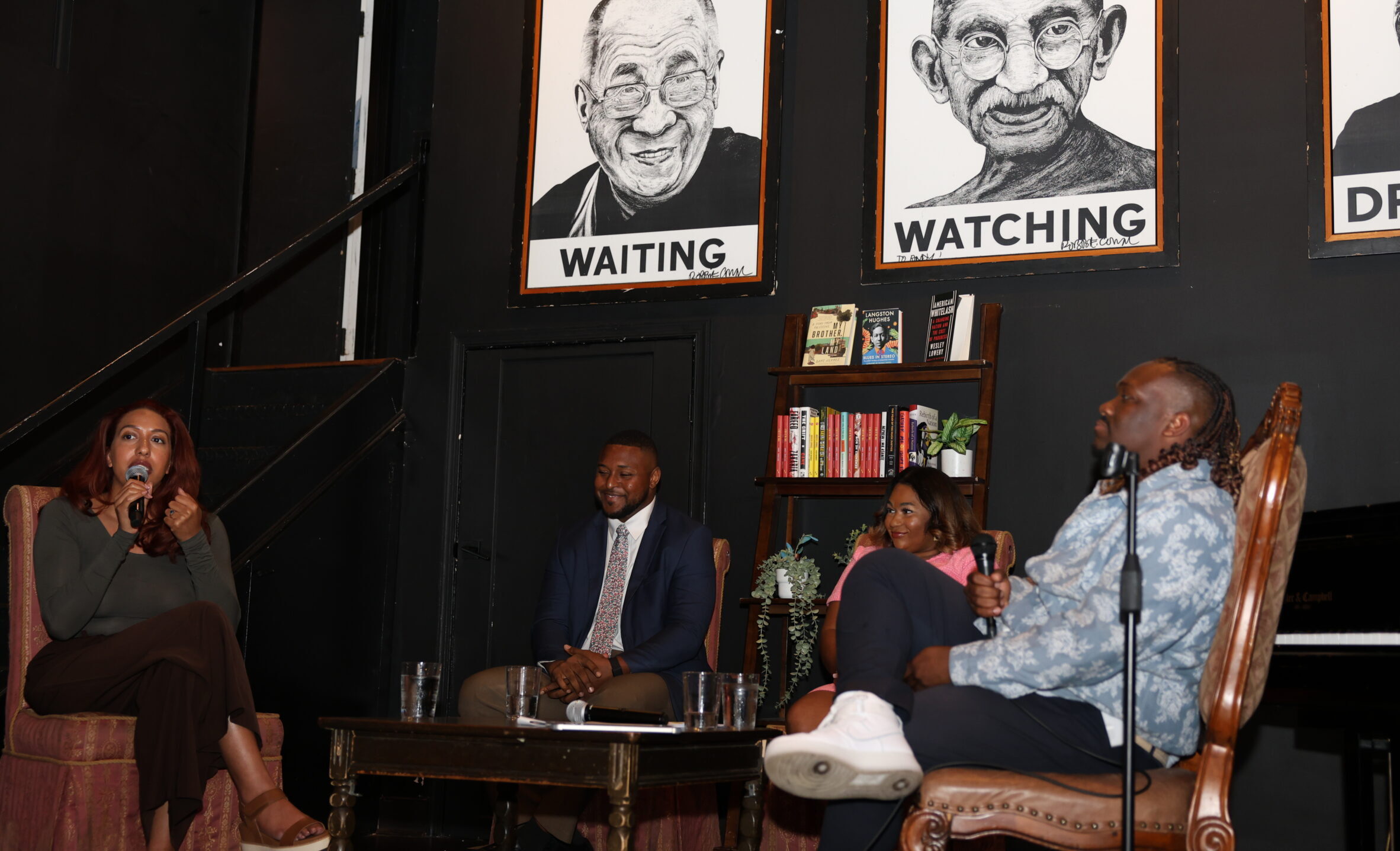
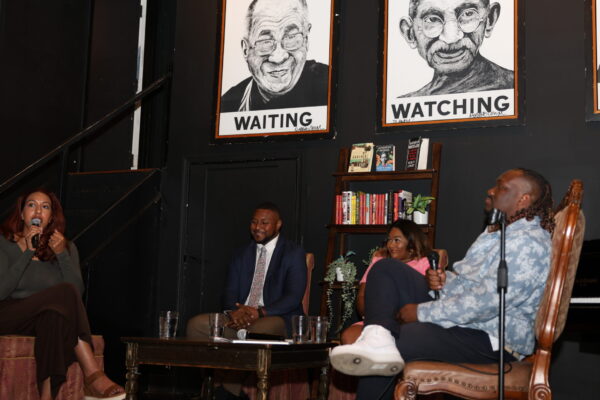
In April, FRI partnered with Counterstream Media at DC Climate Week for a story salon entitled Public Power and the Grid: Community, Culture, and Energy Justice. The event featured youth leaders, including poet Charity Blackwell and panelists Elizabeth Booker Houston, Asia Bryann Guest, and Xavier Boatright. Through personal narratives, each panelist discussed the impact of the energy crisis and why we need to act today. They shared stories that highlighted the importance of accessible mass communication and civic engagement. At the end of the night, the main message was clear: collective action is essential to achieve energy justice.
“We are experts at what we do, but locals are experts on where they live.” – Asia Bryann Guest, FRI’s Relationship Manager
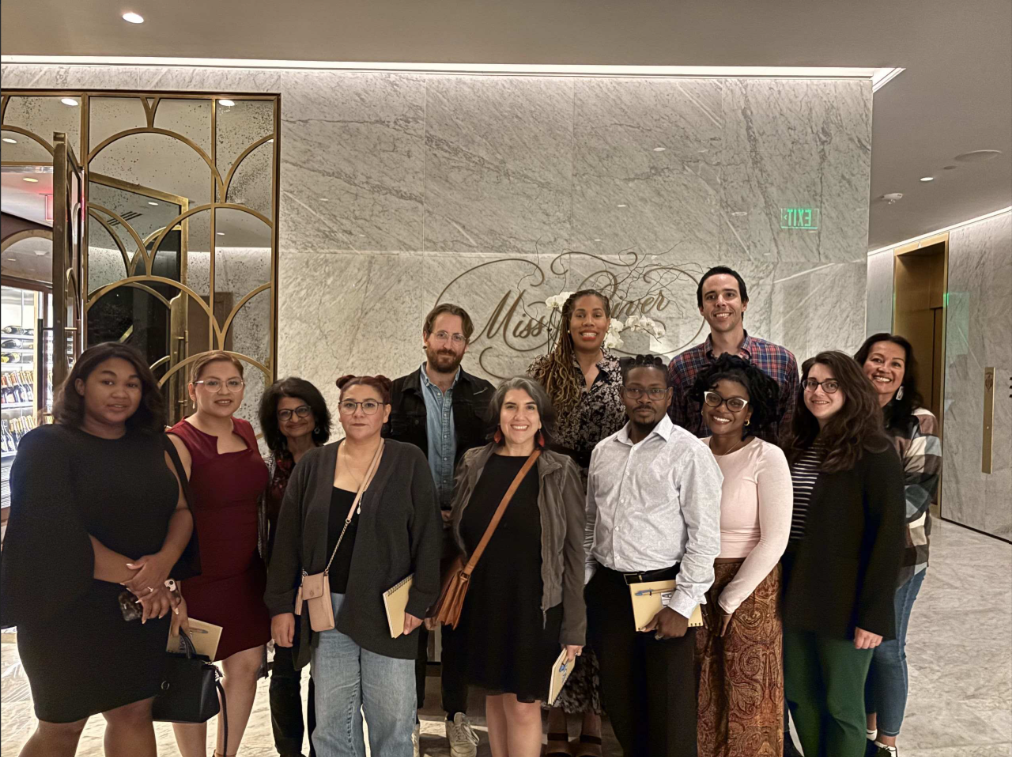
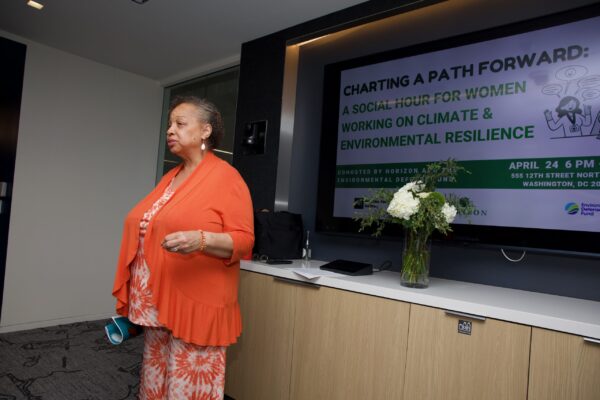
FRI also co-hosted “Charting a Path Forward: A Social Hour for Women Working on Climate and Environmental Resilience” with HORIZON, a new professional network for women working in the environmental and climate space. The evening was dedicated to creating a safe space for attendees to build authentic connections and prioritize wellness. “In order to continue to move our work forward we must take care of ourselves,” said keynote speaker Vernice Miller-Travis. She reflected on the difficulties she faced being a black woman in this space and urged guests to find a supportive community to overcome these obstacles. The evening closed with a lively social hour, giving attendees the chance to build a community that will sustain their climate and environmental work. We also distributed gifts such as succulents and gua sha stones to remind our guests that community care depends on self-care.
Featured Resource: Pairing Up for Community Science
The American Geophysical Union‘s (AGU’s) Thriving Earth Exchange has ten years of experience supporting community science projects. Its mission is to promote equitable solutions worldwide and build climate-resilient communities through expanding scientific knowledge and application. It has managed over 350 projects dedicated to local, environmental challenges. When a community applies to the program, Thriving Earth Exchange pairs the applicant with a community science fellow and volunteer scientist who provide project management, expertise and resources. The assembled team collaborates for a 12–18-month period on a community-driven project related to climate change, natural resources, or geoscience.
Volunteers pick up litter from a local riverbank.

About the Author