What inspires you to contribute to environmental and climate justice work?
 Science in service to the community is a very important principle for me to live by. It’s about empowering communities and giving them the data to support the work they’re already doing. As some community partners have said to me, “we need the science to fight the science.” Data often reflects their lived experiences and helps give them credibility to advocate for justice and equity in their communities. This is why I find empowering community science so important.
Unfortunately, a lot of underserved communities are used to people saying they’re going to help them and not deliver on their promise. That’s not what my colleagues and I want to do; we wanted to make a long-term commitment to helping them. It’s been incredible that we’ve been working with them for so long. They’ve become friends, partners, and allies. They’ve even watched my kids grow up. It’s truly been a transformative experience to get to know our environmental and climate justice partners in Houston, understand the impacts of the long-term health disparities and work together to try to do something different.
“Communities speak for themselves. That is fundamental.”
Why are community partnerships important to you?
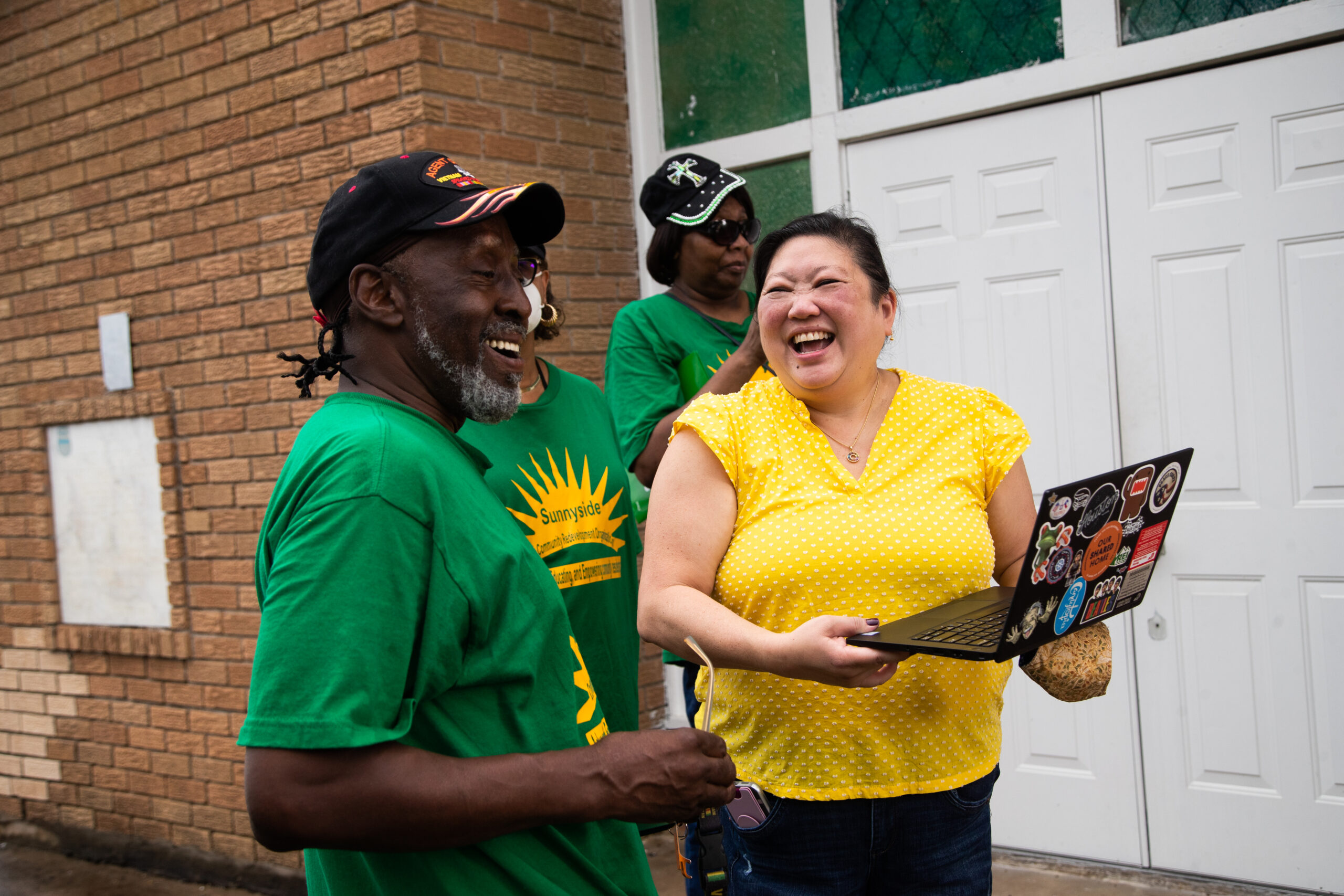
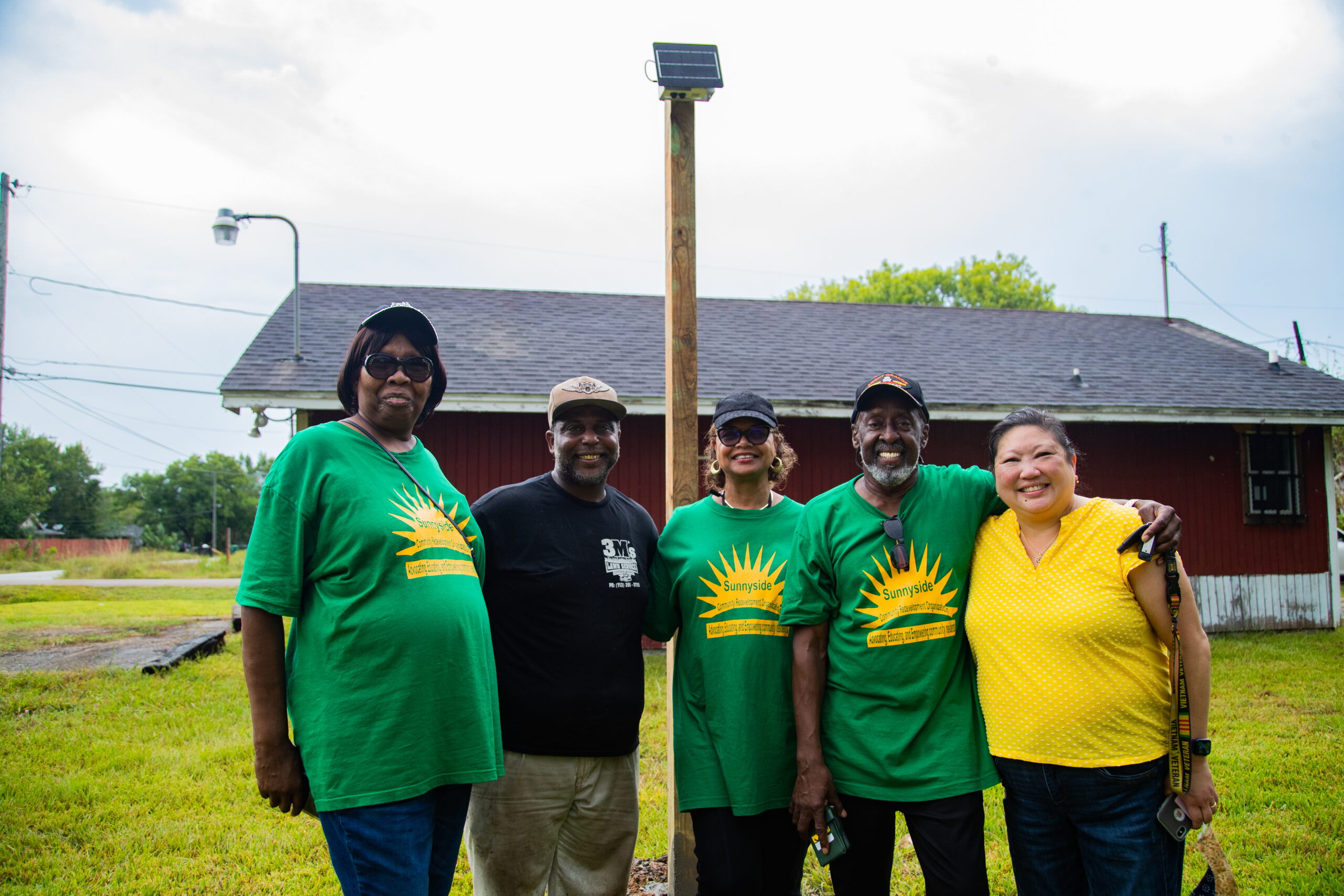
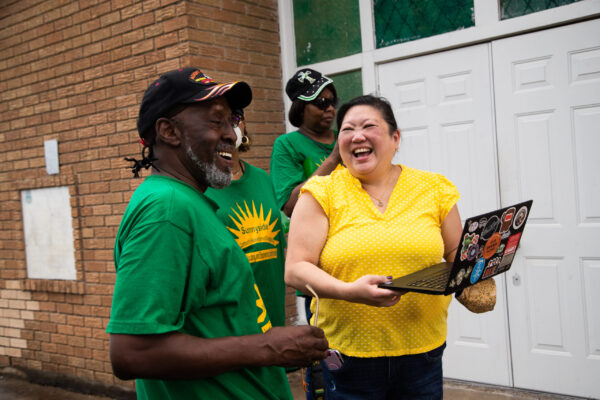
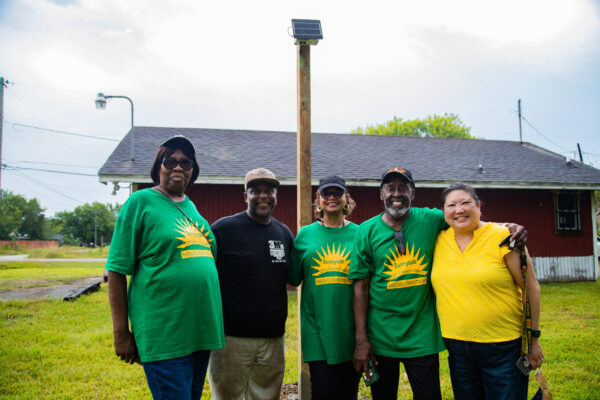
Oftentimes I see people creating tools, and they don’t consult with communities. They are missing the opportunity to make the tool truly effective and useful. It is important to learn from our community partners about what they’re doing and what data can be useful to them. For several groups, like Pleasantville and Sunnyside in Houston, Texas, we have been meeting weekly for years. It’s important to stay connected, so we show up to their community events and help them create resource materials for their organizations to amplify the work that we do together. They know they can always call me and I will pick you up the phone. I have been incredibly proud and humbled to see the expansion of their work, and the thought that we could have contributed to any of that is so exciting and meaningful to me.
Provide an overview of your background and role at EDF.
In graduate school I worked at MD Anderson Cancer Center at the University of Texas. It made me realize that I wanted to engage with people and have that type of research experience instead of working in the lab. That’s how I developed a love for epidemiology, but understanding how environmental exposures can affect people’s health has always been an interest of mine. I did my PhD research in epidemiology and worked with fishermen in Calhoun County in Texas and Hmong people from Green Bay, Wisconsin. I was looking at chemical exposure from fish that were in contaminated water. That’s where I became invested in environmental justice. When I learned about similar opportunities at EDF, it really aligned with the community-based work I was interested in.
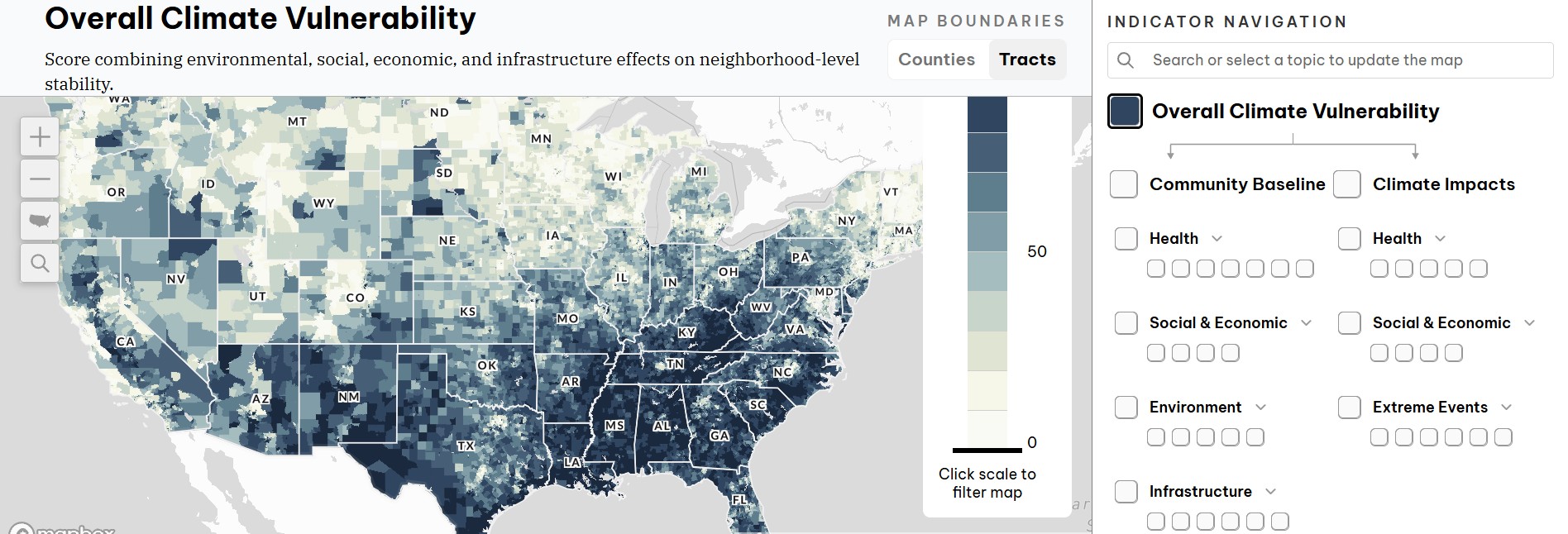
As a senior health scientist on EDF’s Healthy Communities’ team, my work ranges from working with the City of Houston sampling for lead in drinking water to measuring different types of air pollutants and microplastics. I also work with communities to understand their priorities related to environmental exposures, environmental pollutants, socio-economic stressors, and how that impacts their health. This includes developing collaborative disaster response frameworks and using data to better understand cumulative vulnerability. This data has been used to create environmental justice screening and mapping tools like the Climate Vulnerability Index (CVI) and its predecessor, the Houston-Galveston Brazoria EnviroScreen.
“We can’t just look at what makes a community vulnerable, but also what gives that community its strength.”
What is the CVI tool and why is it important for frontline communities?
The CVI tool looks at how we use different pieces of existing data and maps it out so that people can compare and understand where the areas of greatest vulnerability are and the corresponding driving forces. It uses 184 indicators that represent climate, environmental and health data from all 50 states and the District of Columbia. Communities can view the indicators by different geographic levels or themes, such as social, economic, health, infrastructure, or environmental, to get a holistic picture of cumulative vulnerability.
CVI is important for frontline communities because it helps us make change by looking at the systems approach to existing equity and justice. My hope is that communities can access and visualize information that they may not have had before because we’re making it publicly available with our community partners.
Recently you attended the Communities and Health Centers Building Resilience Convening hosted by the Bullard Center at Texas Southern University. What were some key insights from that gathering?
My colleagues and I learned a lot about logistics, such as the need for coordinated efforts, and the need for accessing information to be more effective in our work. Some of these insights have come from the conversations between our community partners, community leaders, their health centers, and first responders. They have firsthand experience living in the impacted communities and provide services for a range of different extreme weather events and natural disasters. They know what needs to happen to be more effective, including better communication and energy resilience since a lot of health impacts come from power loss. It’s also important to acknowledge mental health. We should practice being compassionate and understand that while first responders and health center technicians serve their communities, their families may be impacted as well.
“Collaboration and a real commitment to working together are fundamental for building community resilience.”
You were honored as the first recipient of a Civic Engagement and Advocacy Award by the Bullard Center. What was it like to be honored in this way at the center’s inaugural gala?
I was humbled to be one of their first recipients especially due to the award’s focus on community engagement and advocacy. While the award honors me, it isn’t a reflection of my work alone. It’s a reflection of the people that I work with and the willingness of our community partners to collaborate with us. That award doesn’t just belong to me; it belongs to all of our community leaders that we work with across Texas, Louisiana, and the U.S. overall because we work together. My hope is to continue prioritizing efforts and solutions that they feel are important.
What are some professional accomplishments that you are proud of?
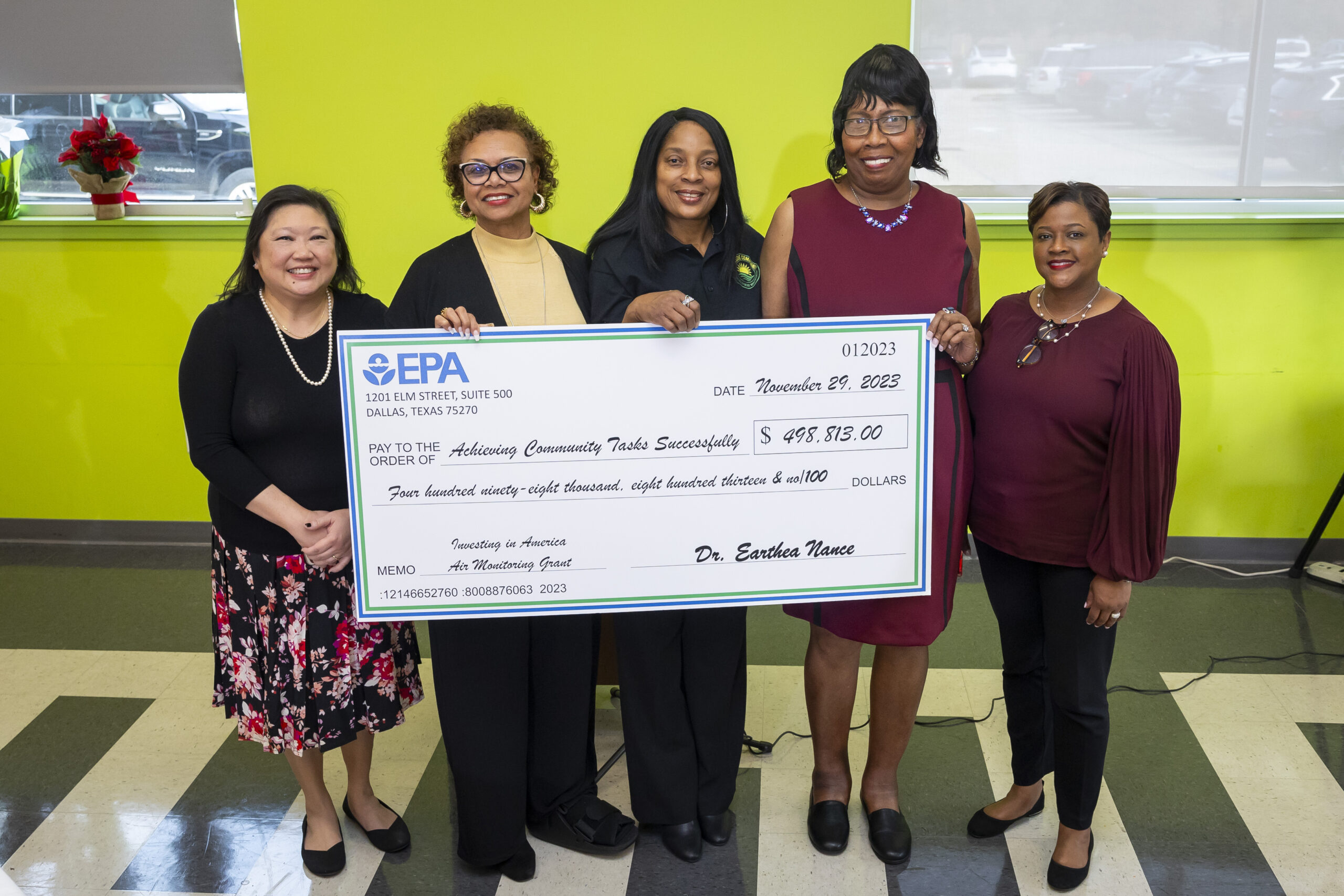
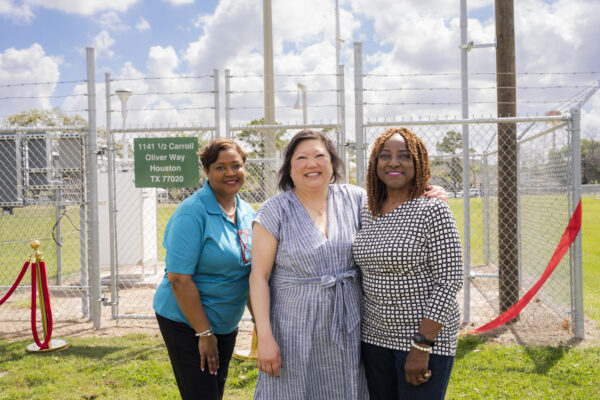
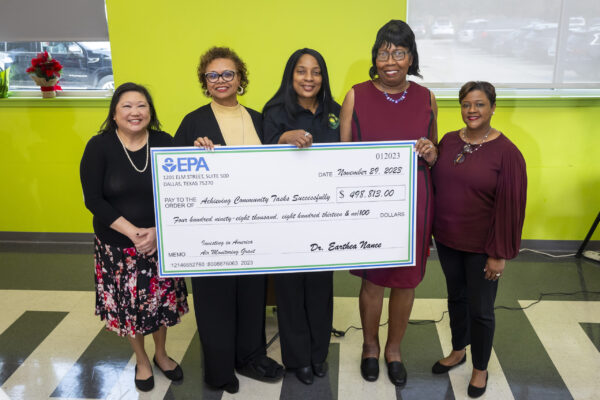
Some of the greatest accomplishments pertain to EDF’s Data to Action project. In collaboration with the Bullard Center, the three-year project was started in Houston after Hurricane Harvey to change the way in which communities access information and take action. We created environmental justice community action plans that addressed community identified priorities and solutions. Each community partner involved in the project has operated their own community air monitoring network. At the end of the 2025, Pleasantville and Fifth Ward each received a regulatory air monitor, which was a huge success. This cohort also secured a grant for just under $500,000 from the EPA to conduct enhanced air monitoring for toxins in the region.
Another big accomplishment is the CVI tool. I’m super proud of its impact so far and I hope it continues to transform access to data that was always intended for these communities.

About the Author