By Ashton Merck, Ph.D., Museum of Life and Science
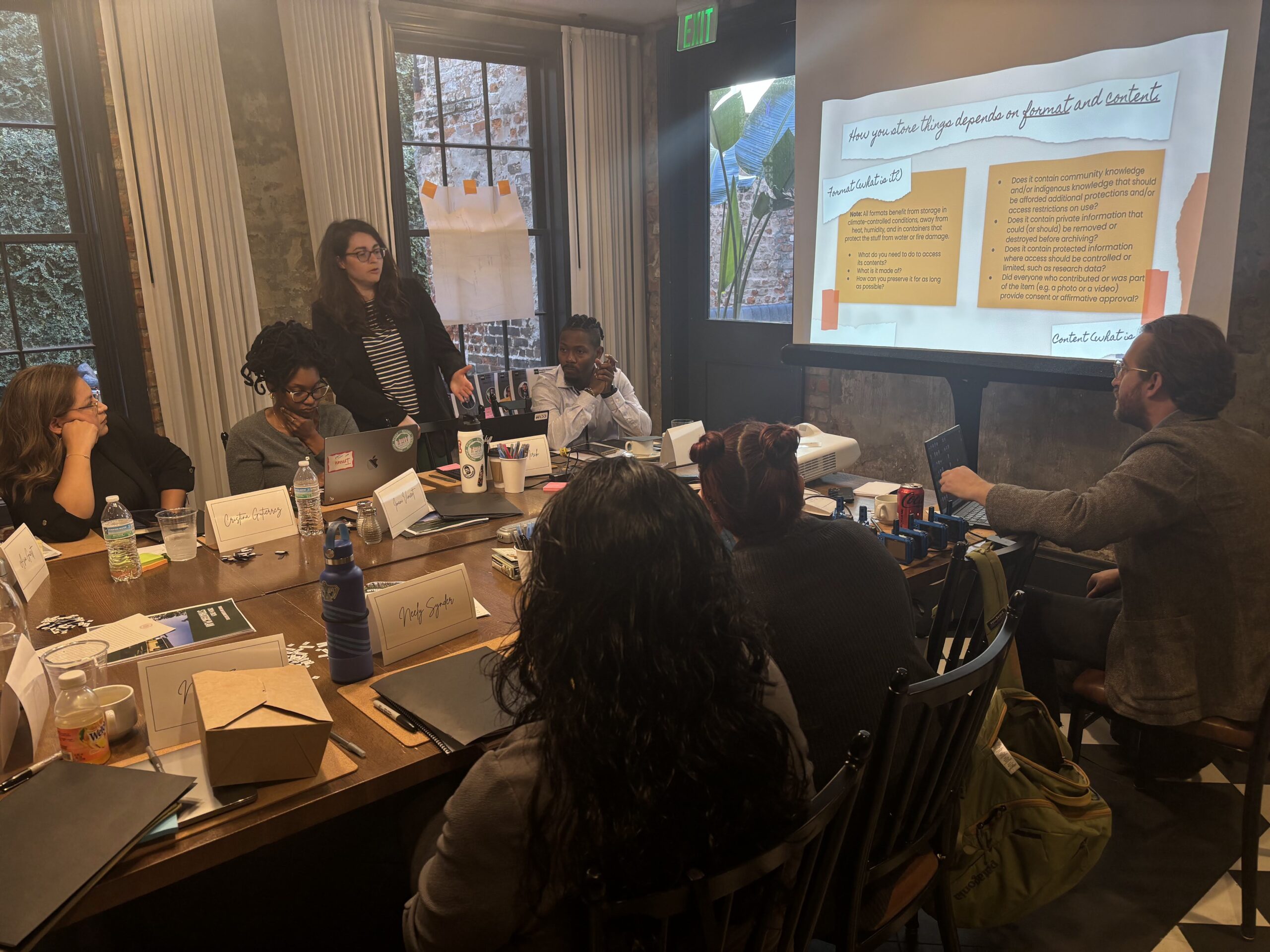
Earlier this year, I collaborated with FRI to develop a workbook focused on archiving for busy people and organizations called Your Archive is Your Story. Most people think of dusty bookshelves and old filing cabinets when they hear the word “archive.” For historians, archiving is a practice of collective memory and it can be one of the most important things that frontline organizations can do.
A well-maintained archive will preserve the story of your movement, your work and your community for generations to come. In the face of recent efforts to erase the history of the environmental movement and roll back key protections for people and ecosystems, keeping an archive of your community and your organizational history may be more important now than ever before.
Archiving might sound like a daunting task to add to your already overwhelming day-to-day responsibilities, but it doesn’t have to be. An archive does not have to be perfectly organized or stored in a prestigious university library to be valuable to storytellers and community members. The most important thing to remember is that the work you do is valuable, and it is something that deserves to be saved, celebrated, and preserved for future generations.
In fact, you probably already have a community or organizational archive, and don’t even know it. Anything that serves as a record of your past work, experiences, or memory is an archive: that pile of cardboard boxes in the basement, those collections of photo albums, or even your Google Drive folders on your computer.
Here are three questions you can ask before getting started on an organizational or community archival practice.
Who is the archive for?
What are some important things for young people or future generations in your community to know about their people and place? What should others outside your community know about your place, community and/or organization? (What shouldn’t be shared?)
What are some shared experiences that define your community and/or organization?
What are some common, even everyday experiences you might not think to document, but might look different in 10, 20, or 50 years? How could you preserve or document those experiences for someone in the future who may never experience them firsthand?
How can we learn from elders?
What sorts of stories do elders and/or leaders have to share? What are some goals you have for talking to elders? What do you hope to learn from those conversations? How can those conversations serve as an opportunity for intergenerational dialogue?
Before you start digging into the practical side of archiving, like sorting through papers, captioning photos, or starting an oral history program, it can help to step back and consider these questions, which are all about how you want your community and/or organization to be remembered. By considering the bigger picture, you can focus on building an archive that truly captures the most important parts of your community’s or organization’s story.
More broadly, the practice of maintaining an organizational or community-based archive is an important strategy for building narrative sovereignty. Keep in mind that you are allowed to make demands of the people who want to tell the story of your community, place, or organization. When it comes to your archives, these demands can be as simple as requiring people to sign a form or agree to certain kinds of restrictions on how they are allowed to use your materials before they can even see them. By maintaining and owning your own archive, you decide who can be part of the collective story that you and your community worked so hard to build together.
Want to Learn More?
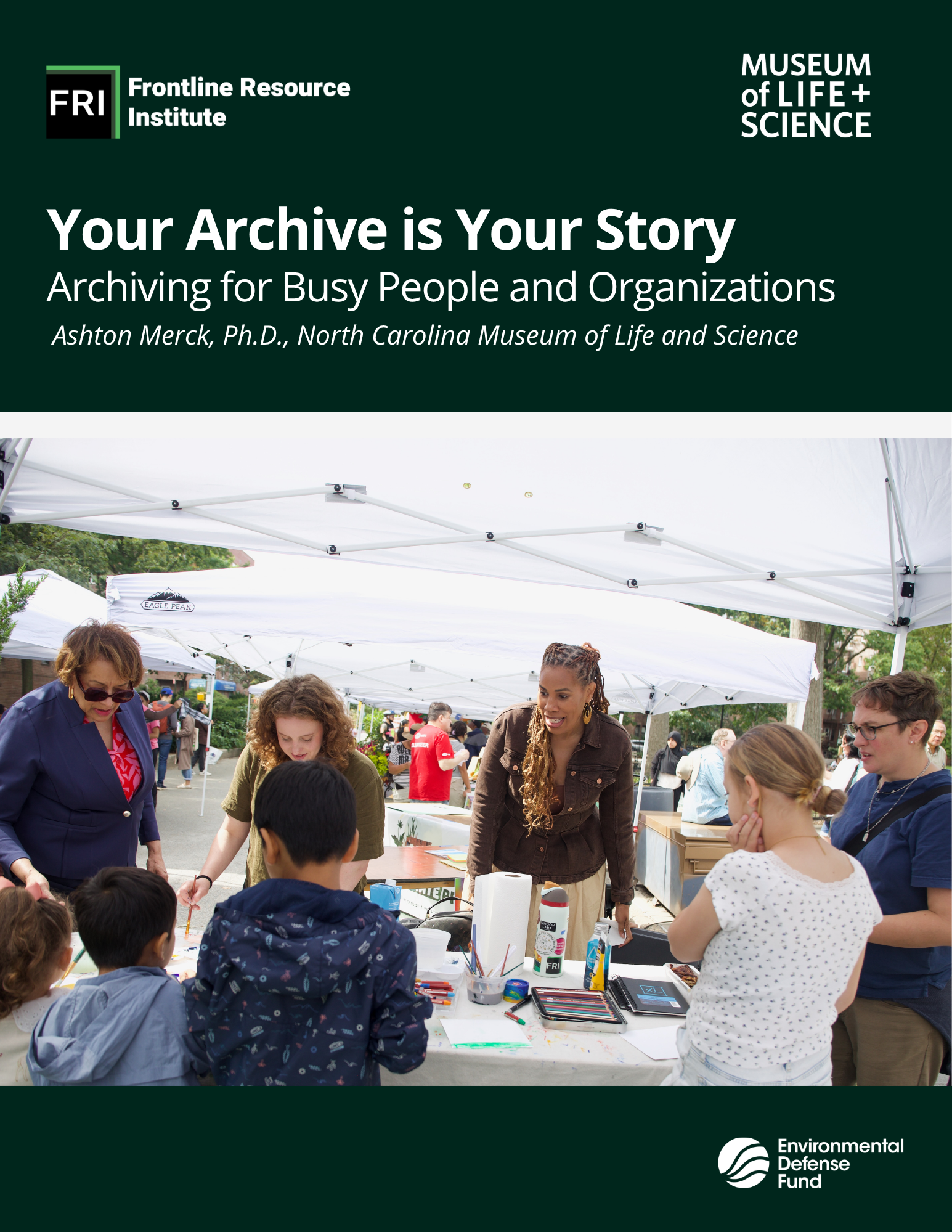
Are you ready learn more about starting an archive for your community or organization? The Your Archive Is Your Story workbook shares step-by-step guidance to make your archive work for you.
About the Author
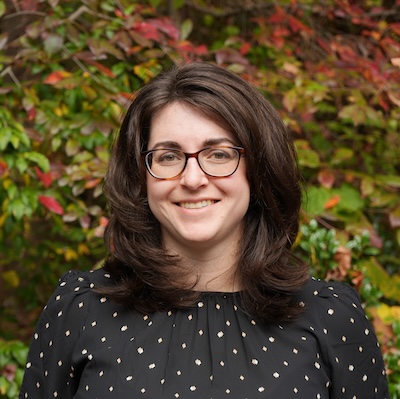
Ashton Merck, PhD
Ashton Merck, Ph.D. is the Program Manager of Research and Engagement at the Museum of Life and Science in Durham, North Carolina. Ashton is a historian by training who has conducted research in archives across the U.S., but she gained firsthand experience with processing archival collections through an internship with the Rubenstein Rare Book and Manuscript Library at Duke University. In her work with the Museum, Ashton draws on her historical training to inform her approach to science communication and community-engaged research