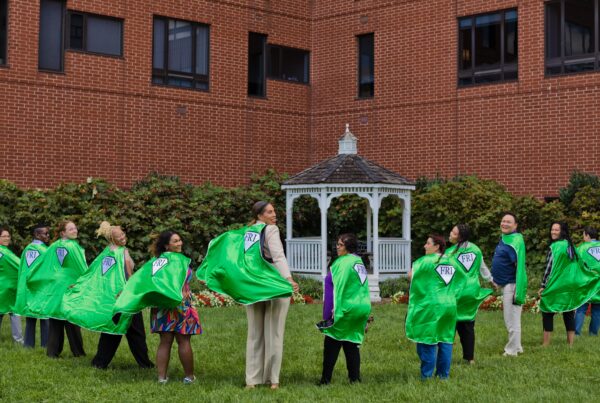
This issue of Frontline Momentum focuses on community organizers resisting injustice by reclaiming their stories and harnessing their power to create durable climate solutions. It features a preview of The Nation’s “A People’s Climate” podcast, a spotlight on FRI Conceptual Committee Member Lavannya Pulluveetil Barrera, and a guide to countering disinformation.
A Letter from FRI’s Acting Director, Dr. Margot Brown
Several years ago, while in conversation with different frontline organizations, I noticed a disturbing pattern: many community leaders did not own their own stories. Instead, the most widely shared images and narratives about their communities were being reported by outside media outlets, often shaped to sensationalize their struggles and pain.
As the demand for dramatic climate stories has grown, so too has the number of stories told by people with no lived connection to the land or the communities on the frontlines of climate change. When stories lack authenticity, they can unintentionally cause harm — eroding trust, flattening lived experiences, and discouraging the kind of long-term investment communities need to thrive.
To address this, FRI is working to safeguard story sovereignty by ensuring that leaders can share their experiences safely, authentically, and on their own terms. As one of our first steps, FRI recently launched the Narrative Sovereignty and Story Justice training for our current grantees. The training centers narrative sovereignty: the right to tell and own one’s story without compromise. Grantees are learning how to share their experiences within their cultural context while uplifting their memories, values, and community priorities.
This training has already sparked meaningful shared learning among grantees. During the in-person sessions, participants practiced telling elements of their stories to one another. Each story evoked strong emotions and deep empathy among fellow grantees. Through this exchange, they built deeper bonds and recognized their own community’s struggles reflected in the voices of others. These moments humanized the challenges they face as individuals and leaders, resulting in stories that are memorable, empathetic, and grounded in lived truth, while remaining firmly under the storytellers’ control.
In the coming year, FRI will expand this training and revise Best Practices for Storytelling and Narrative Sovereignty: A Guide for Frontline Organizations and Allies, with the aim of strengthening the guide as a living resource that helps frontline leaders reclaim their narratives, protect their communities, and shape a more just and authentic climate story.
FRI Out Front: Stories that Embrace Resistance
“The future we need is being built from the ground up. Not by corporations, not by billionaires, by us, the people demanding justice, reclaiming power, and rebuilding what’s been broken.” — Shilpi Chhotray
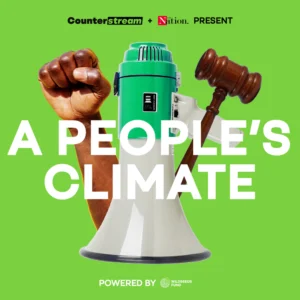 During NYC Climate week, FRI hosted its first story salon, Reframing Resistance, in collaboration with Counterstream Media. The event previewed films from three FRI grantees, Alexandra Norris, B.P. Lyles, and Chantel Comardelle, along with climate justice activist Sharon Lavigne from Rise St. James. Each film addressed a distinct environmental justice issue and demonstrated the importance of uplifting frontline voices. The panel discussion that followed became the season finale of “A People’s Climate” podcast from The Nation. It also features FRI’s Dr. Margot Brown who advocates supporting more storytelling initiatives like this one.
Listen to the podcast here and share! For more episodes of “A People’s Climate” check out Counterstream Media’s webpage.
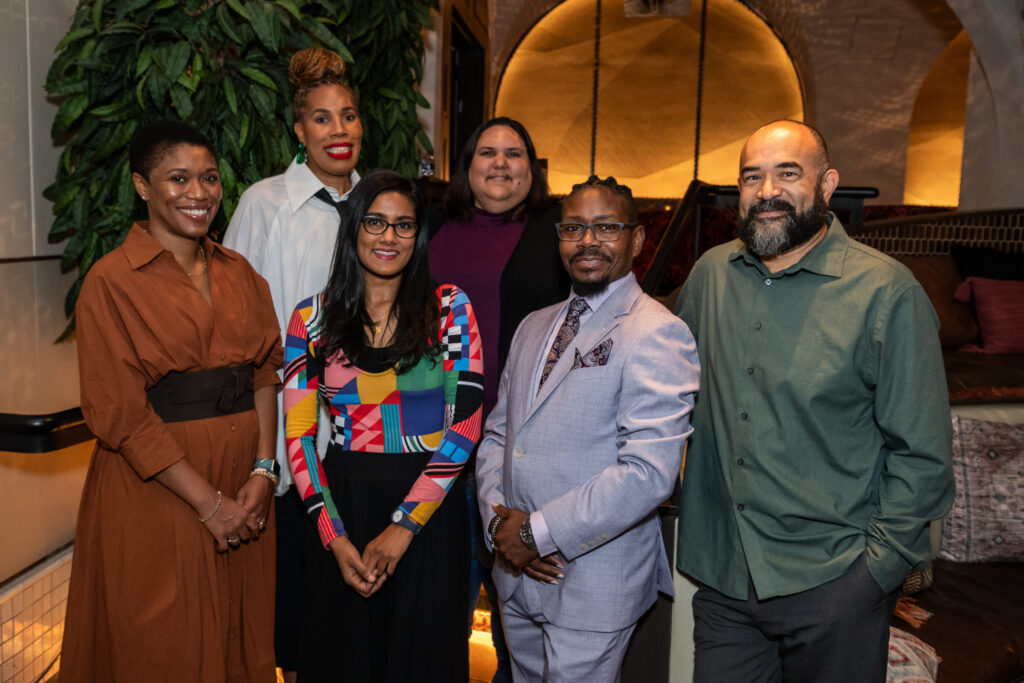 Caption: L-R front row: Panelist Alexandra Norris, Shilpi Chhotray from Counterstream Media, Panelist B.P. Lyles, Patrice Simms from Counterstream Media. L-R back row: FRI’s Dr. Margot Brown, Panelist Chantel Comardelle.
From the Network: Get to know Lavannya Pulluveetil Barrera
FRI featured Lavannya Pulluveetil Barrera in our first Conceptual Committee Member Spotlight series. A consultant based in Chicago, she describes what brought her to work in the fields of environmental justice and social impact.
“FRI has an incredible opportunity now to do things differently, not just in the environmental movement, but also in the corporate and philanthropy sectors.” – Lavannya Pulluveetil Barrera
Featured Resource: Standing Against Disinformation
Have you ever wondered how disinformation impacts the climate justice movement? We’ve got you covered! Elyse Martin, Manager of the Persuasion Research and Campaigns team at Environmental Defense Fund, explains how disinformation affects organizing efforts and offers strategies to safely challenge it.
“Disinformation is designed to make people feel overwhelmed and powerless. When you show people that they still have the power to affect change and make it easy for them to take steps to do so, they are less likely to believe false rumors when they hear them.” – Elyse Martin
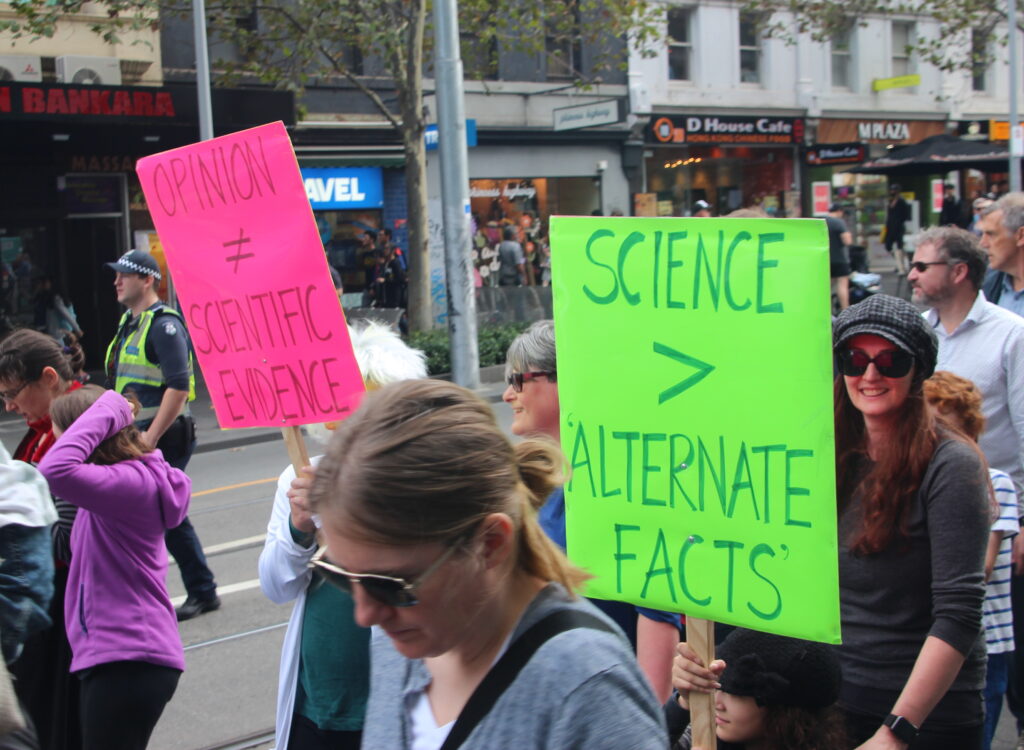 Caption: Demonstrator holding a sign to protest disinformation. Photo Credit: John Englart

About the Author