

Five phases of safe storytelling
- Preparation and Initial Engagement
Level-setting for communities and external collaborators before starting a project. Defining what stories, ownership of content, social media accounts, etc. mean to each entity. - Approach and Relationship Building
Initiating and maintaining relationships between frontline CBOs, communities, and external collaborators separate from project outcomes. - Crafting Stories, Narratives, and Storytellers
The “how” of telling a specific story or narrative begins here. Planning how you want to tell a story, what you want to say, who you’re going to talk to, who is telling the story, and what the story’s impact will be. - Delivering and Sharing Stories and Narratives
Consider the immediate impact–virality, shares, action/votes, successful partnership, etc.–of stories and narratives. Prepping to lose control of the story and narrative as it enters the public. - Story Stewardship and Legacy
The language and nuances of particular issues change over time. The goal is to create stories that are adaptable in changing times while staying grounded in a community’s truth.
Phases 1 and 2 of the storytelling process are addressed in the Collaboration section of this guide, and phases 3, 4, and 5 are addressed in the TECHNICAL ASSISTANCE section. You might already be working within one of these phases – for example, you might’ve already prepared to tell your story in Phase 1, or built strong relationships in preparation for storytelling, as described in Phase 2. That’s great! We view the phases as a cycle, so start wherever makes the most sense for your CBO’s storytelling process. Additionally, there are general principles for storytelling that are applicable across all modes; keep these in mind throughout all five phases of the process.

Questions to ask yourself before telling your story
Who are we talking to?
What do we want our audience to take away from the story we are telling?
Who are we trying to motivate/influence?
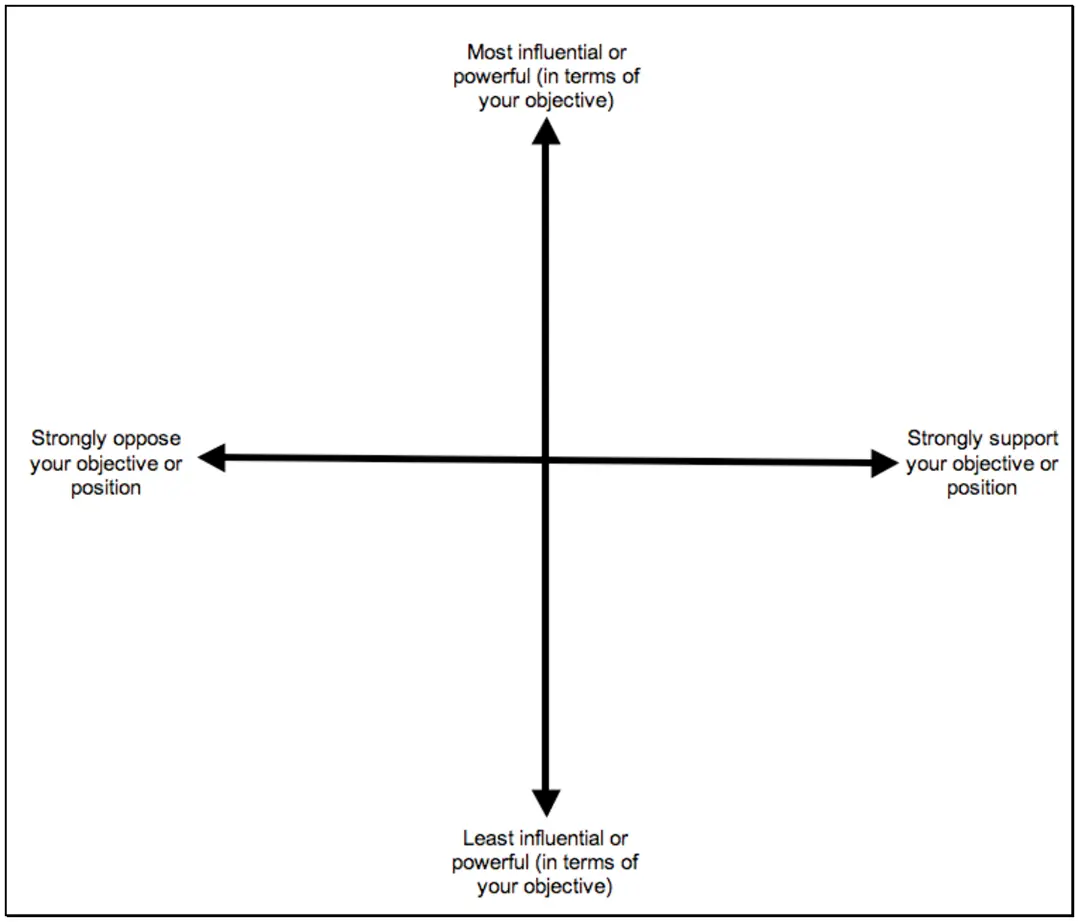
Try a power-mapping exercise. You can access The Change Agency’s instructions for power mapping here.
What do we want our audience to do once they receive our message?
STAR Method
This is a strategy often used in business to help job candidates summarize how past experiences prepare them to face an issue they might face in a future role. You can use it in your advocacy and storytelling to make sure that the stories are clear, concise, and relate back to your organization’s mission.
Choosing an anecdote
When choosing an anecdote to incorporate into your story, think about the following:
- A good anecdote is specific and identifiable. What makes this a unique story about your organization or movement?
Get granular, down to the individual level. A story about an individual and the health issues they personally face due to air pollution near their home feels much more real for your audience than a story about a community, or everyone in a community. - A good anecdote is centered on a specific place (a church, a park, a river) – these details are grounding for your audience.
- A good anecdote focuses on a big, public moment, such as a hurricane, which can reflect a collective experience or shared memory.
- A good anecdote includes a sense of time. How does the situation or person change “before” and “after” the event or action?
Lead with shared values
Your audience is human. We all agree that children growing up with clean air and water is important. So, start with that. Start with the common ground between you and your audience, get to the core of your shared values, and then bring it down to the details of your story.
Get personal!
The primary currency you have as a storyteller is your authenticity. When you tell your story, the thing you have over everybody else who might try to tell it is your firsthand experience. Use this to grip your audience!
Stories ask you to identify with the storyteller and emphasize. The further you go when storytelling—the deeper you get—the closer your audience gets to your experience.
A great move, particularly in mediums like short-form video storytelling, is starting with the prompt, “Here’s what’s going on in my everyday life.”


