Photo Credit: Pillar Projects // Grayson Wise
Frontline voices deserve representation during Climate Week discussions. In this blog FRI's Acting Director and EDF Senior Vice President for Justice & Equity Dr. Margot Brown reflects on developing the Climate Justice Hub to break the silos, prioritize frontline perspectives, and reimagine what equitable solutions look like.
As the planet hurtles toward a dangerous 1.5 degrees of warming, it’s clear that the climate community must do something different. We need a more diverse coalition driving climate action that cuts greenhouse gas emissions while also improving health, expanding economic opportunity and delivering tangible benefits in people’s lives. And we need communities on the frontlines of the climate crisis at the center. They bring the knowledge, experience and leadership to build stronger solutions.
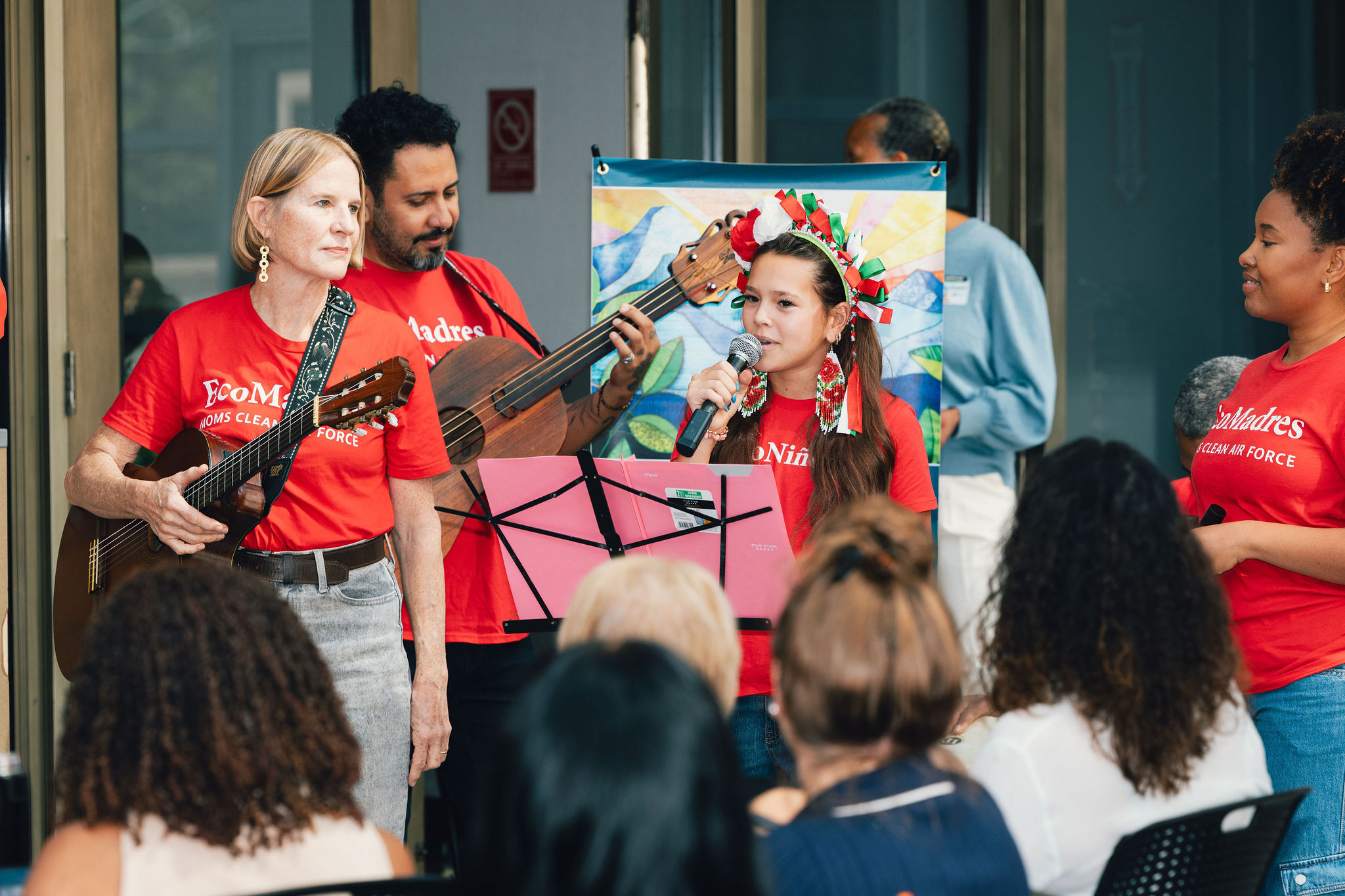
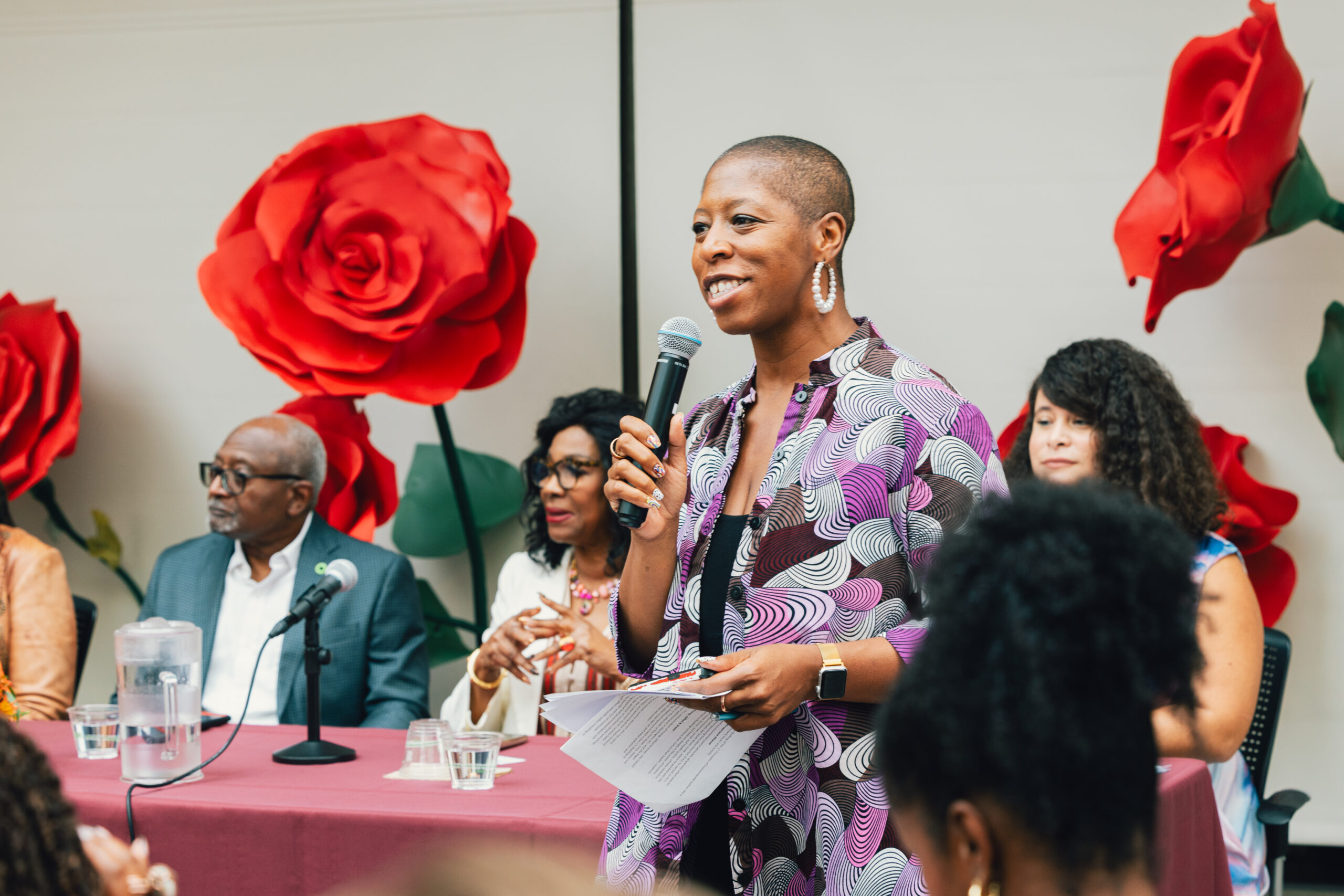
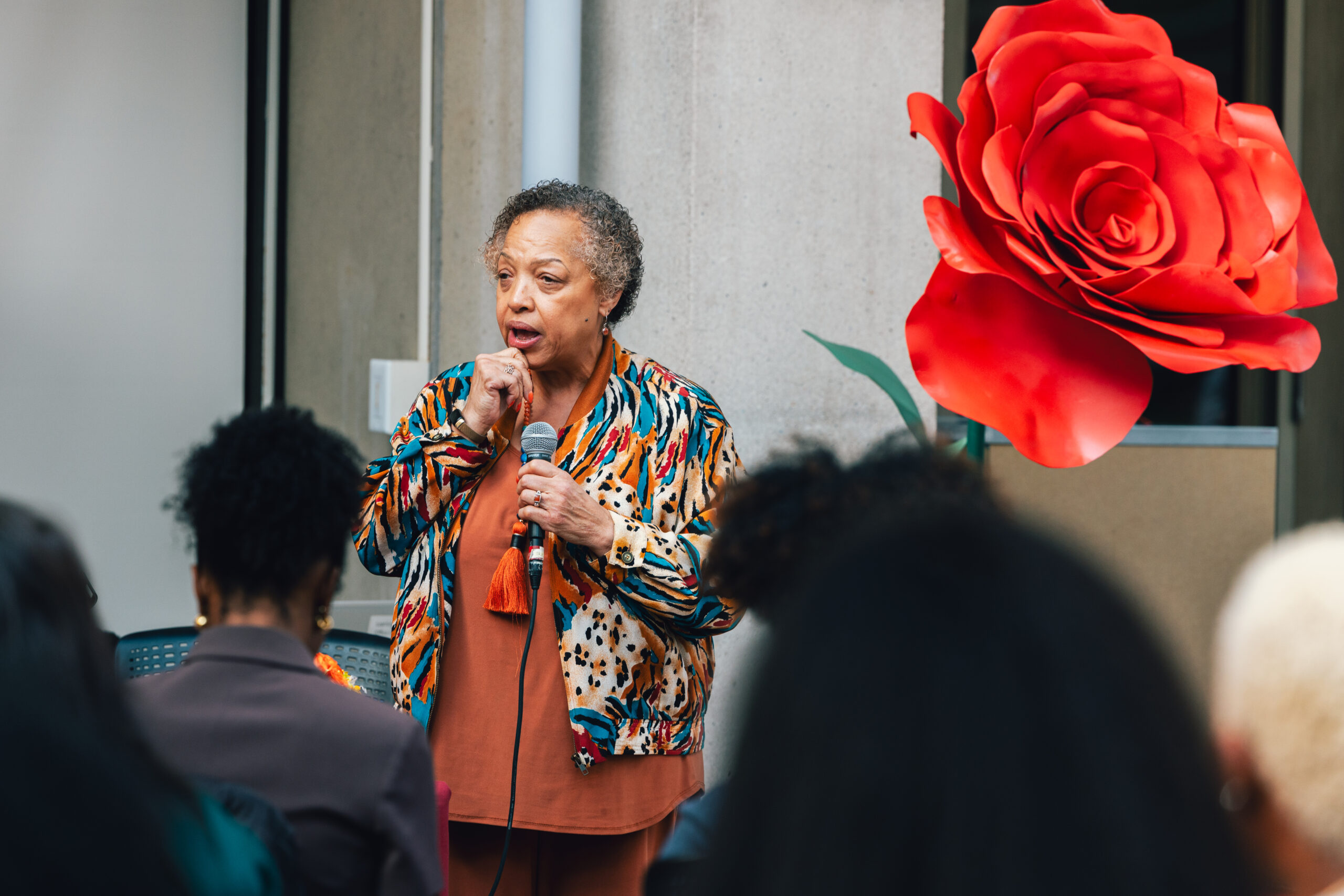
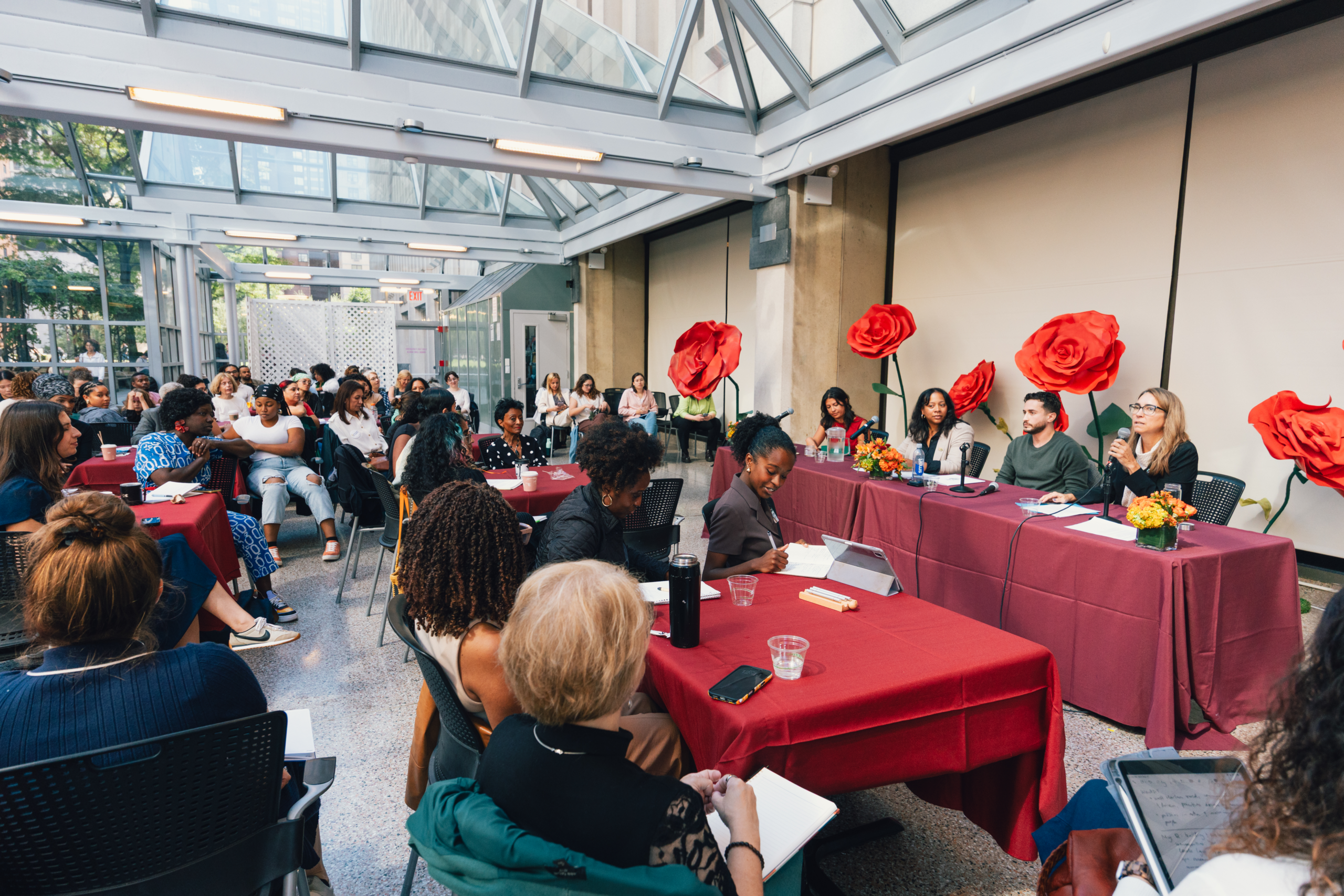
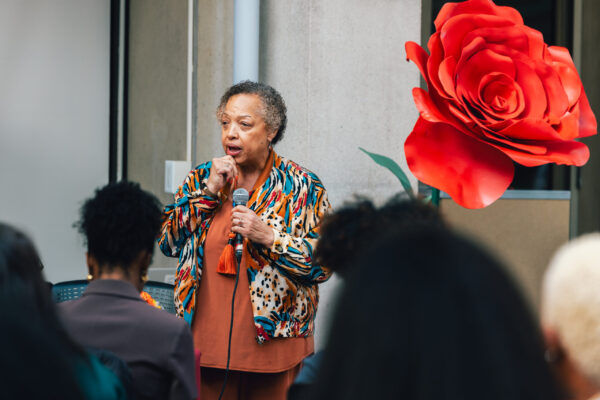
This was the theme of the Frontline Resource Institute’s first-ever Climate Justice Hub for Climate Week NYC, which brought together environmental justice pioneers, youth leaders, scientists, researchers and policymakers for a day of shared learning and connection. Nearly 200 people joined the event, hosted by Fordham University’s Graduate Program in International Political Economy and Development. Across four panel discussions, three themes surfaced again and again.
Storytelling Can Build Connection and Collective Action
The U.S. is at a crossroads as attacks on science and environmental protections leave 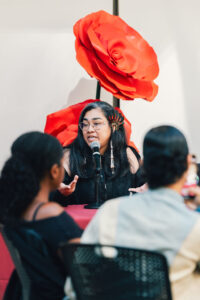 communities more exposed to pollution and extreme weather. As FRI and partners across the climate justice movement work to direct resources to communities facing these impacts, panelists offered a powerful call to action: communities must reclaim their narratives and tell their own stories. As Lil Milagro Henriquez of Mycelium Youth Network put it, “We can’t build another world unless we can imagine it first.”
Dr. Beverly Wright, a leading environmental justice scholar and founder of the Deep South Center for Environmental Justice, reminded us that stories connect us to one another and help us recognize our shared experiences. They can strengthen the climate justice movement while helping us envision the future we want to build.
Data is Most Powerful When Paired with Lived Experience
Throughout the day, panelists underscored the importance of local data that can document what communities experience every day. Data becomes more powerful when communities help shape the questions we ask and how we interpret the answers. Policymakers and community-based organizations can listen to residents, understand how overlapping challenges like air pollution and extreme heat affect their lives, and translate that knowledge into more intentional, effective policy and action.
“At the end of the day, people are the experts of their own experiences,” – Ali Abazeed, Chief Public Health Officer of the City of Detroit
Communities Should Help Shape Solutions from the Start
Frontline communities have been doing this work for decades. They have partnered with leading researchers, including panelists Dr. Robert Bullard and Dr. Beverly Wright, to document environmental harms, build evidence and advocate for change. That history helped establish a model that remains essential today: communities working alongside researchers, policymakers and organizations as thought partners and co-creators to advance research and policies that deliver meaningful benefits.
 That principle is increasingly important as communities confront new challenges. During a conversation about the rapid expansion of AI and data centers, panelists explored what meaningful community engagement should look like before projects and decisions take shape. Dionne Delli-Gatti, founder and CEOContinuum Strategies, compared the current approach to serving communities “the dessert they didn’t ask for” only to discover they may be allergic. Panelists called for moving beyond community buy-in after decisions have been made toward authentic participation from the beginning.
Decades of global research reinforce the value of this approach. When environmental interventions reflect the needs and aspirations of the communities most affected, they tend to earn greater public support, achieve greater ambition and endure longer, even in polarized political climates. We need to put that evidence into practice. We don’t have time to waste.
Beyond Climate Week: Turning Wisdom into Practice
The Climate Justice Hub reinforced a simple truth: confronting climate change requires collective action. Funders, cities, universities, companies and nonprofits all have a role to play. We can invest in community storytelling, make community-driven research standard practice and recognize frontline leaders as essential partners in developing climate solutions.
“Science, research, data doesn’t advance progress without action with frontline communities.”– Dr. Robert Bullard, founder of Bullard Center for Environmental and Climate Justice
FRI helps build the conditions for this work to grow. We connect frontline leaders and organizations with funding, technical assistance, shared learning and relationships that strengthen their ability to advance community-defined environmental and climate solutions. We also help promising approaches travel farther than any one organization alone could take them. That work extends far beyond a single panel, event or week. And that is precisely the point.
As I reminded attendees throughout the day, “Climate Week will end. The work will not.” We already know what can happen when frontline communities have the resources, relationships and power to shape the solutions that affect them. The question now is whether we invest in making that approach the norm rather than the exception.
About the Author
Margot Brown, Sc.D., MSPH
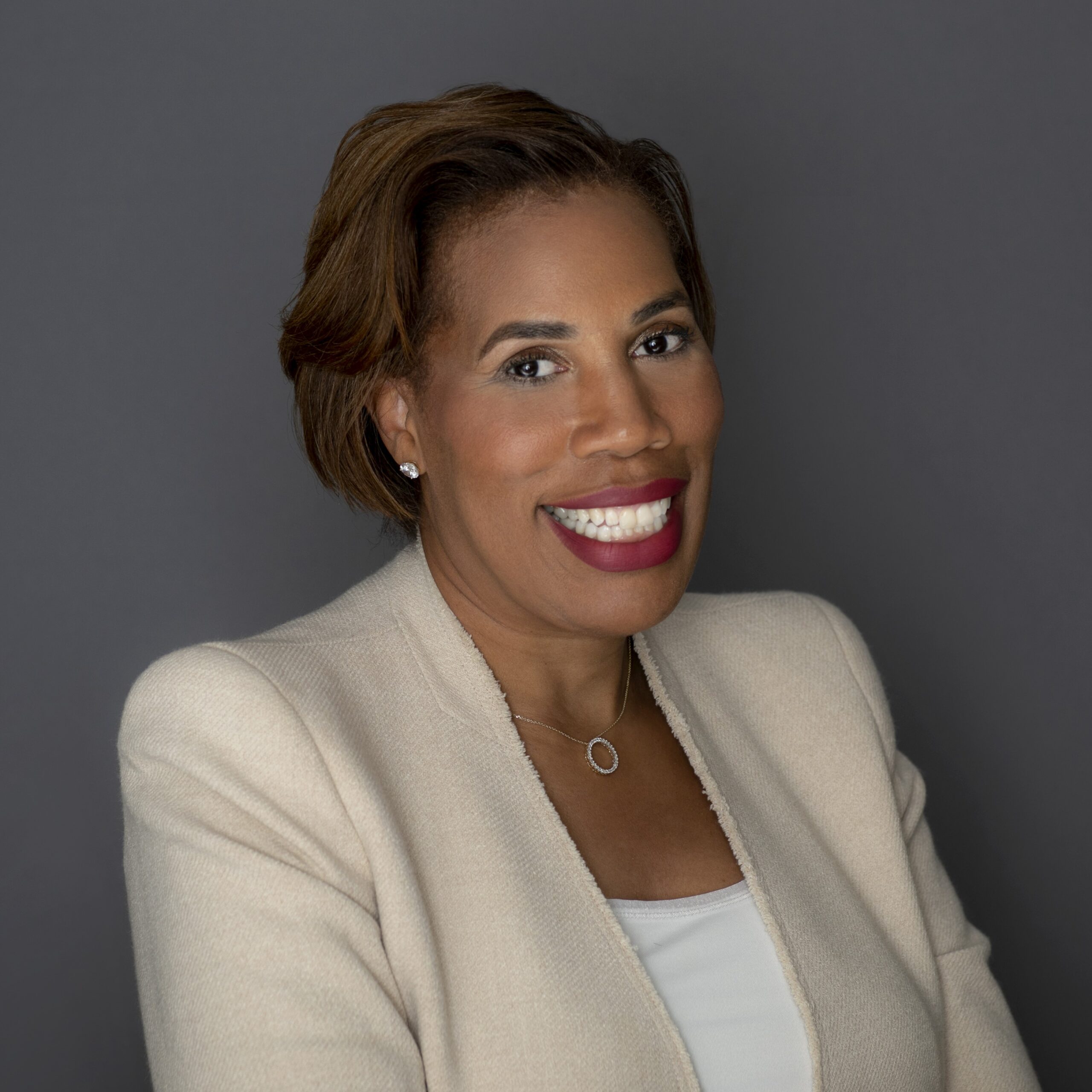
Margot Brown, Sc.D, MSPH., is the Acting Director of the Frontline Resource Institute and Senior Vice President, Justice and Equity at Environmental Defense Fund.