Photo Credit: Sarah Arnold
Women's History Month is an opportunity to honor powerful women leaders of the past and the present. In this blog, FRI's Program Coordinator Asia Guest highlights Rashida Ferdinand, Isabel González Whitaker, and Shilpi Chhotray who all rise above the storm to drive positive change at local and national levels.
Women’s History Month invites us to do more than celebrate the accomplishments of women. It invites us to reflect on their leadership, resilience, and vision.

When I think about environmental justice through that lens, I think about Zora Neale Hurston and her novel, Their Eyes Were Watching God. Hurston wrote about survival in the face of a hurricane, about community in Eatonville, Florida, and about what it means to find your voice in a world that does not always make space for it. The storm in her novel was natural, but the vulnerability people faced was not. Who had protection. Who had power. Who had access to safety. Those realities were shaped by systems.
That truth still resonates today.
The environmental injustices experienced in Eatonville 90 years ago persist today, continuing to disproportionately impact communities of color and low-income communities across the country. Research continues to consistently show communities of color are more likely to live near polluting facilities and experience higher exposure to air pollution. A recent study by Yale School of the Environment researchers found that communities of color in the U.S. face more heat exposure and have fewer cooling options than predominantly white communities, and those disparities are increasing[1]. But the story does not end with harm.
Across the country, women of every background are making history and leading the environmental justice movement with competence, compassion, and clarity. They are scientists translating data into policy. They are community organizers building resilience networks. They are municipal leaders securing funding for infrastructure improvements. They are mothers advocating for safe water and clean air. They are storytellers shaping how the public understands the climate crisis.
Rashida Ferdinand
In New Orleans’ Lower Ninth Ward, Rashida Ferdinand founded Sankofa CDC after returning home in the aftermath of Hurricane Katrina.
My vision really sparked from wanting to see justice and fairness in what people should have when they return home in the aftermath of natural disasters. I looked at the layers of access and privileges I had, even not having a home to live in at the time, and I wanted to use my availability, access, resources, and supports to help bring this community back. — Rashida Ferdinand
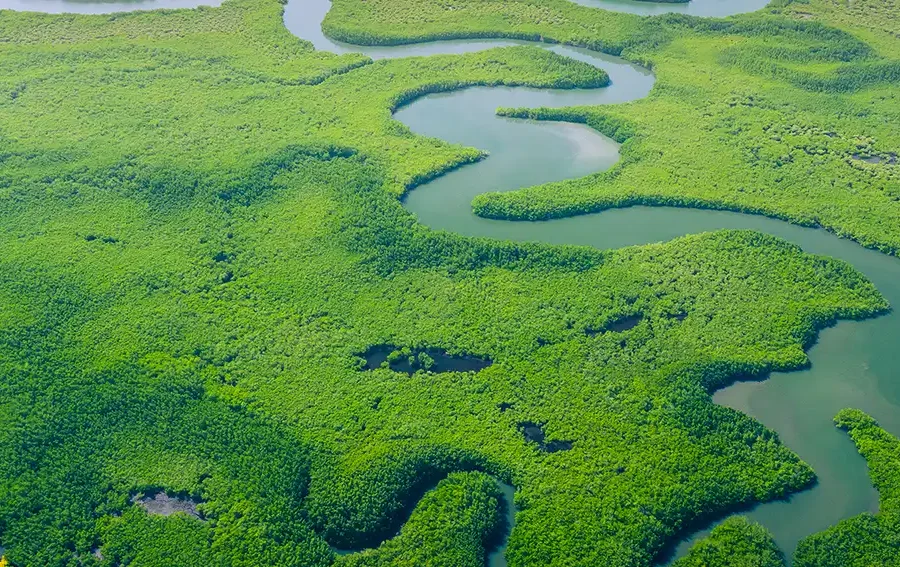
That vision has grown into a holistic model for community health. Through wetland restoration, green infrastructure installation, and intergenerational education, Sankofa CDC is transforming under-resourced land into a 40‑acre wetland park that supports stormwater management, increases biodiversity, and reconnects people with the land around them.
“It’s important to address the work in a fluid, comprehensive way,” Rashida says. “Whether we are doing it hands‑on or building partnerships with people who are mission‑aligned, we are working together to address these needs. We work with purpose and joy.”
Isabel González Whitaker
In Memphis, Tennessee, advocacy begins at home for Isabel González Whitaker, Associate Vice President of Mom’s Clean Airforce. “I fight for clean air and a stable climate for my son’s wellbeing, and for the wellbeing of all children now and into the future,” she says.
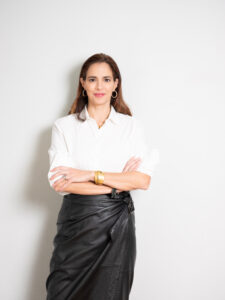 Living near major industrial activity while raising a child with respiratory challenges makes air pollution impossible to ignore. Isabel has spoken at public hearings, circulated petitions to local officials, and written about her son’s asthma worsening as new facilities come online.
“At minimum, I want them to abide by the Clean Air Act,” she explains. “But we also need policies at the federal, state, and local level that ensure communities are involved and protected before these facilities are built.”
Isabel’s work also centers Latino families through EcoMadres and national advocacy efforts that bring the health impacts of pollution to broader audiences. For Isabel, the fight for clean air is about dignity, public health, and the future of the next generation.
Shilpi Chhotray
For another leader, Shilpi Chhotray, cofounder of Counterstream Media and a storyteller working at the intersection of climate and narrative, the fight is also about narrative power.
The communities living next to incinerators, petrochemical corridors, highways, landfills, and contaminated water systems are not there by accident. — Shilpi Chhotray
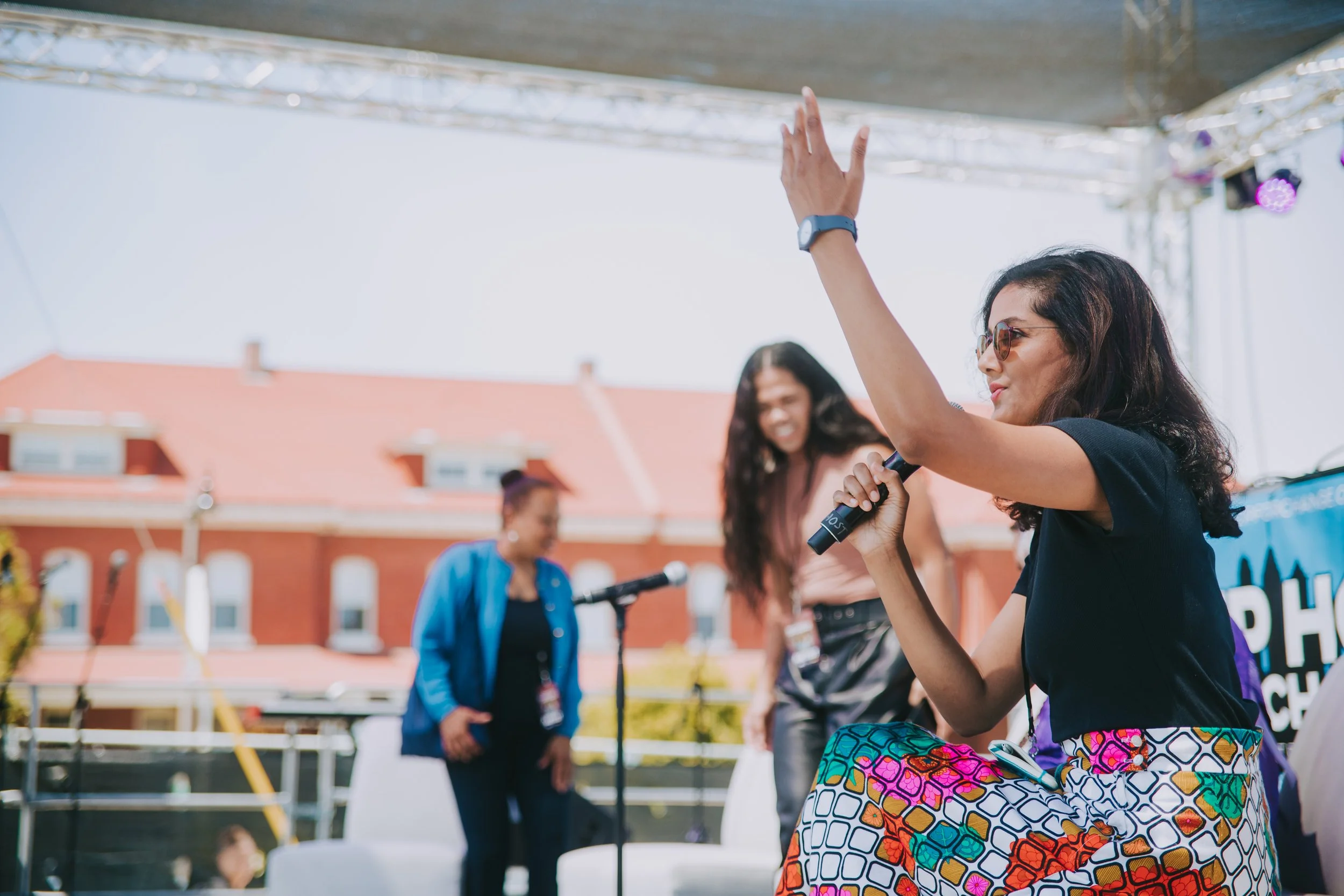
Her work now focuses on ensuring that frontline voices shape the public conversation around climate. Through long‑form political dialogue and movement storytelling, Shilpi helps create space for discussions that are often missing from mainstream climate coverage. One platform she uses to create this space is Counterstream Media, which centers conversations about democracy, land, labor, sovereignty, and public health.
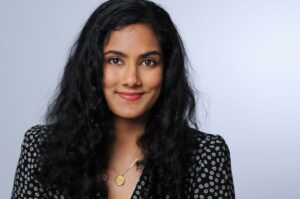 Through partnerships with national media outlets, this work is building what she calls narrative infrastructure. By amplifying movement leaders and creating a public archive of community‑rooted climate leadership, Shilpi is shaping narratives. “Climate reporting often focuses on emissions targets or the latest technology,” she says. “But climate is also about who controls the land, who controls energy, and who has access to clean water.” If the public conversation only reflects institutional voices, she notes, we reproduce harm. When frontline leaders are centered, new possibilities emerge.
Rashida, Isabel, and Shilpi are not simply watching the storm.
They are restoring wetlands.
They are protecting children’s lungs.
They are amplifying frontline voices.
They are strengthening communities.
They are building systems rooted in equity.
And of equal importance,
They are building the movements that sustain themselves and a better world for everyone.
This Women’s History Month, we celebrate women on the frontlines not only for enduring environmental injustice, but for leading beyond it to healthy and sustainable communities. For seeing clearly. For organizing boldly. For insisting that clean air, safe water, and healthy neighborhoods are not privileges, but rights.
Their eyes are still watching, and they are leading the way forward.
About the Author
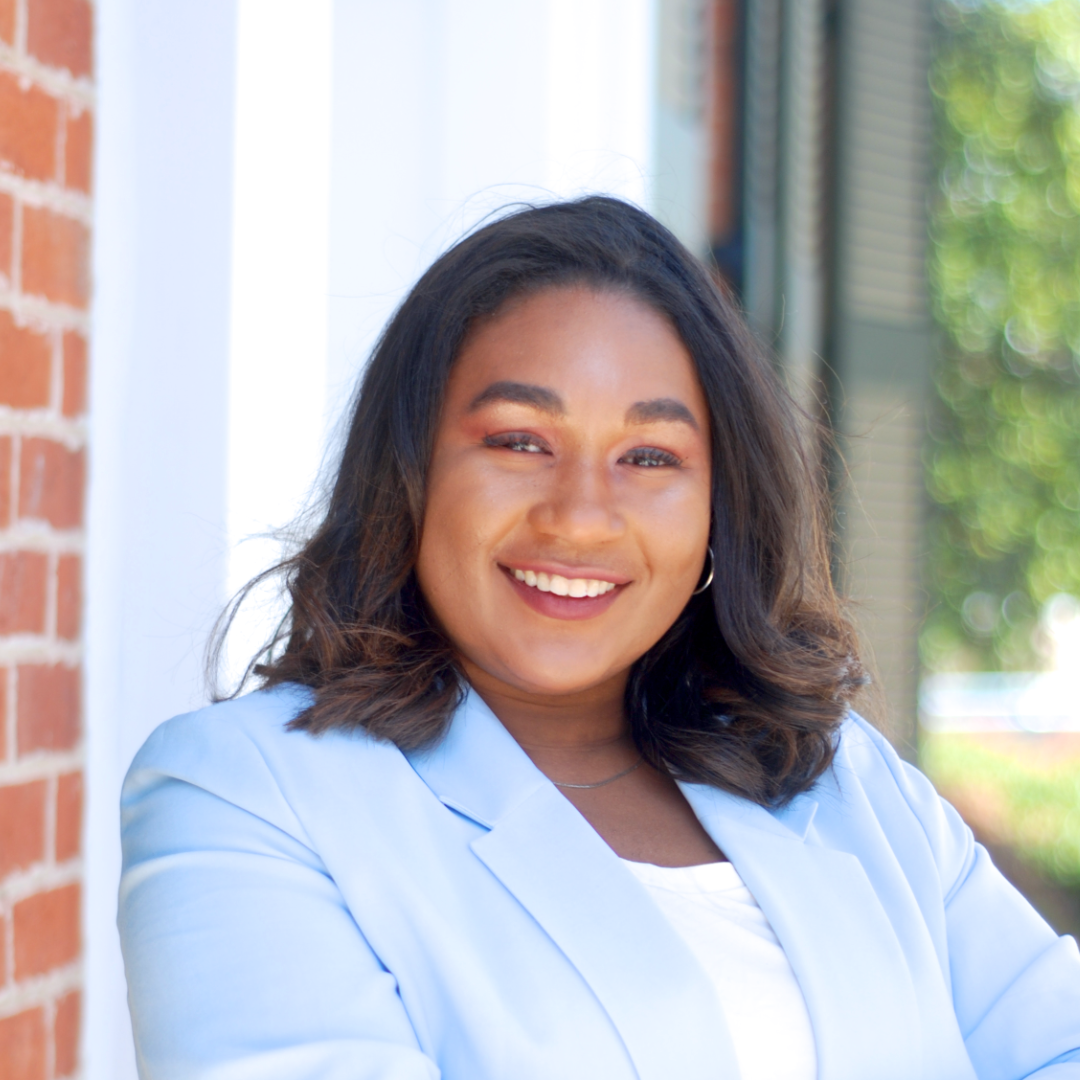
Asia Guest
Asia Guest is the Program Coordinator of the Frontline Resource Institute and the Global Partnership Manager for Justice and Equity at the Environmental Defense Fund.